ACCORDS AND DISSONANCES
The photographs of the frac corsica facing the paintings of the palais fesch
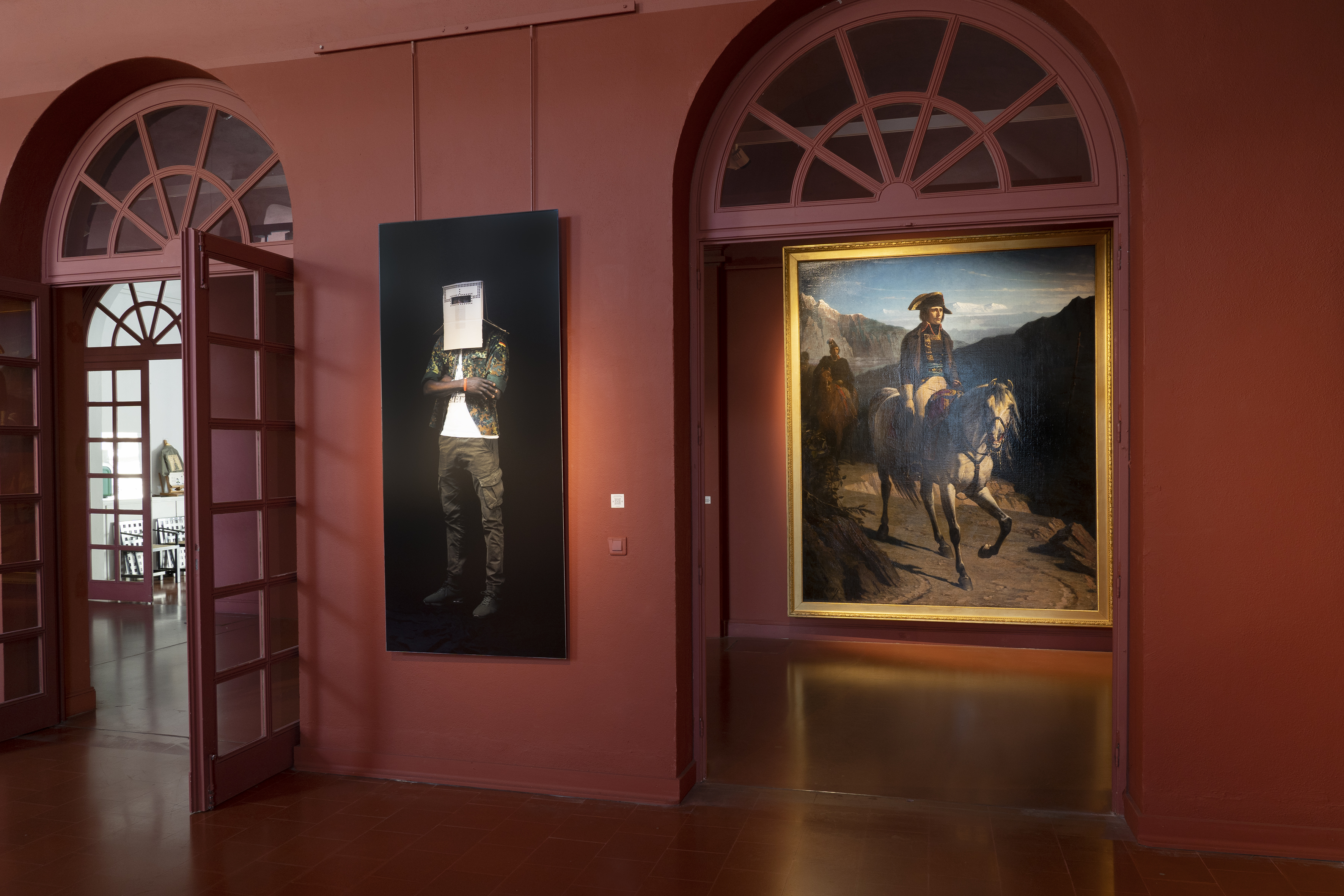
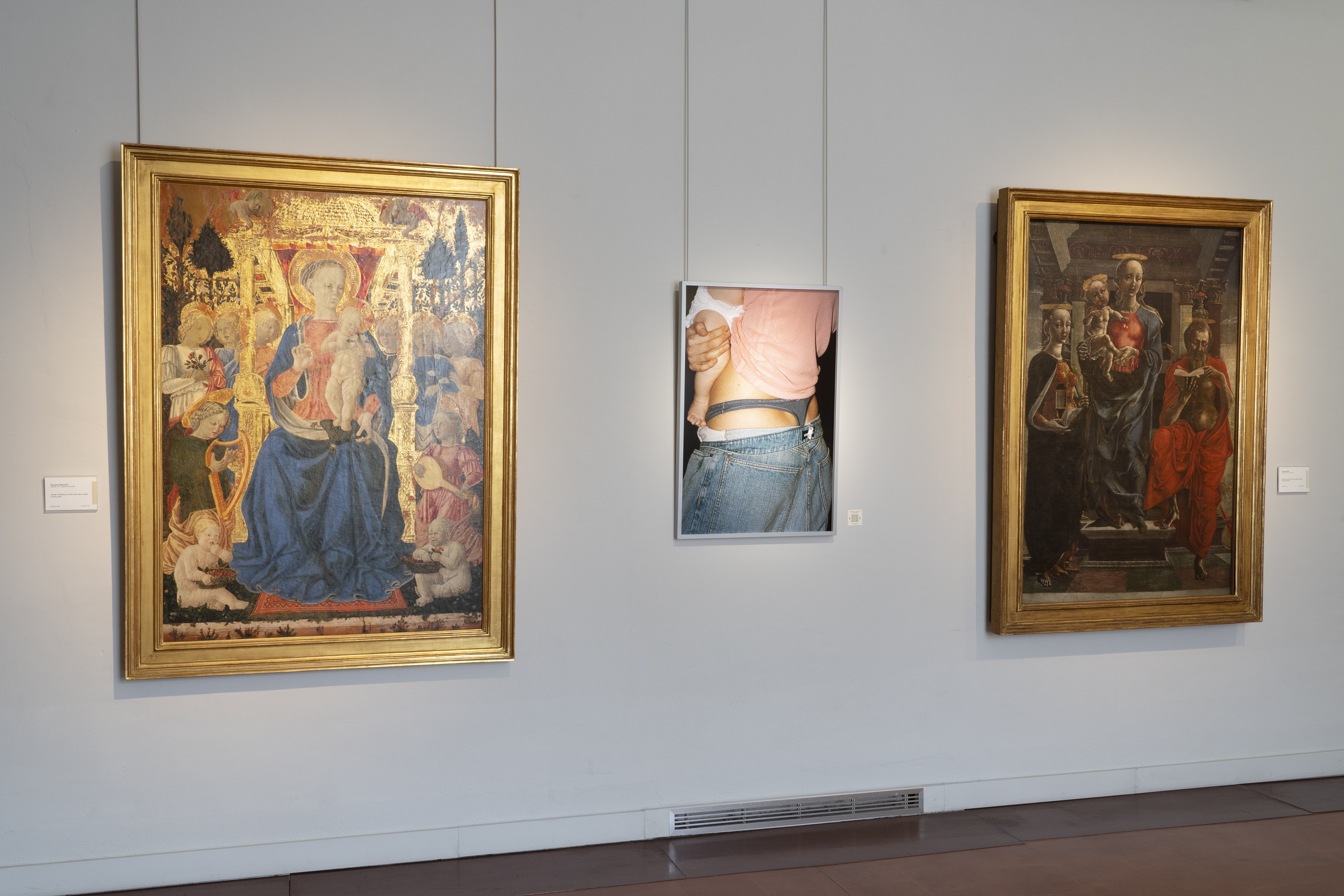
The exhibition Accords et Dissonances offers a unique encounter between two major art collections: the contemporary photography of the Fonds régional d’art contemporain (FRAC) of Corsica and the classical masterpieces of the Palais Fesch – Musée des Beaux-Arts in Ajaccio. This bold dialogue unfolds within the museum's spaces, blending time periods and disciplines to create resonances, contrasts, and thought-provoking frictions.
Far from rehashing a sterile opposition between classical and modern, this exhibition proposes a renewed reading of art history. It highlights the formal, conceptual, and symbolic bridges that connect the centuries, while embracing their discontinuities and ruptures. As visitors move through the rooms, they will discover striking juxtapositions—such as Patrick Tosani’s monumental spoon L, displayed in the gallery of large-scale formats.
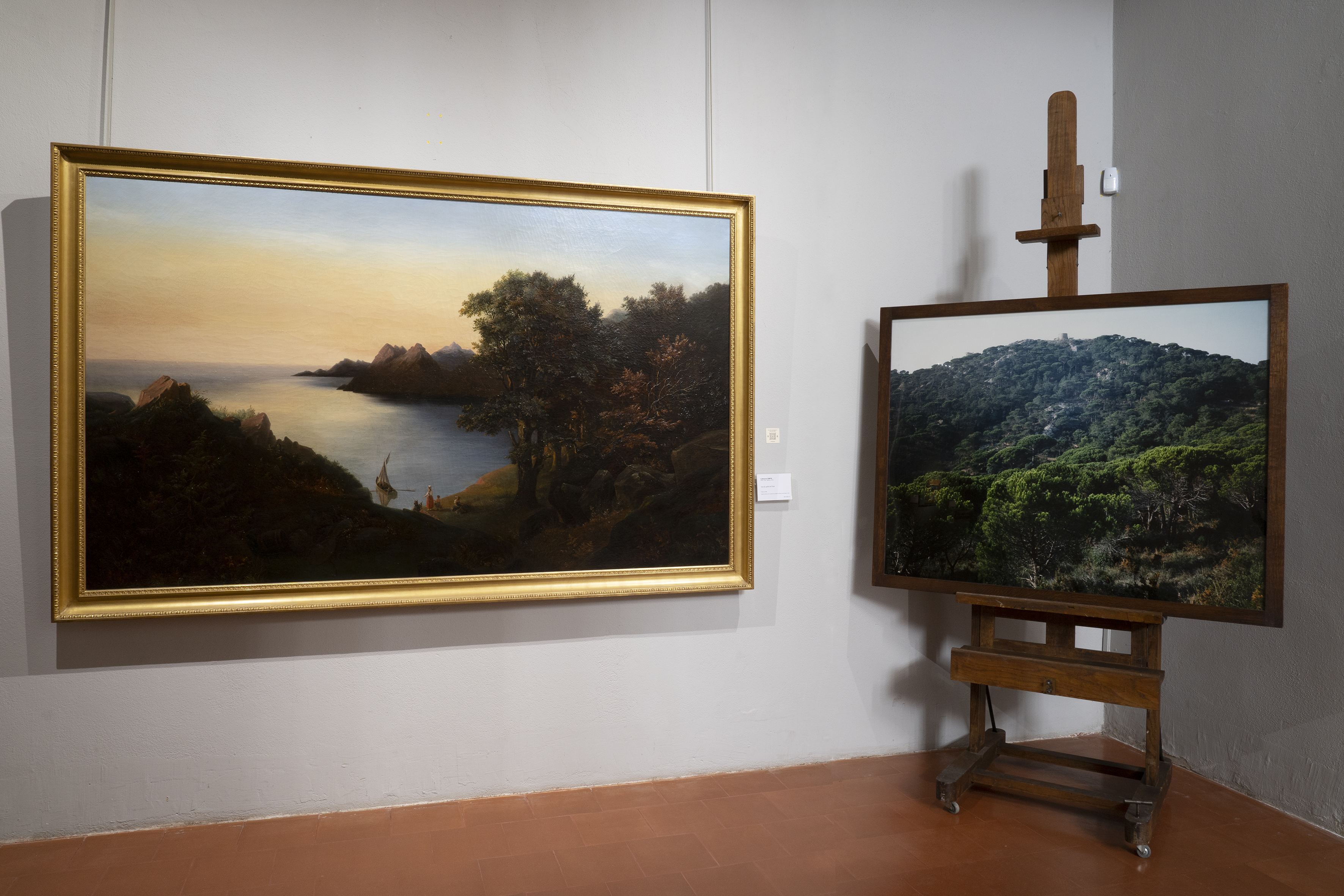
In doing so, the Palais Fesch affirms a dynamic vision of art history—one where each era engages with the others in a continuity marked by accelerations, contradictions, and bursts of intensity. By welcoming the FRAC’s collection, the museum invites a playful traversal where gazes intersect and history is reimagined, offering visitors an experience that is both scholarly and poetic.
The often bold connections between works rely on surprise and humor. These confrontations, catching the mind off guard, introduce a dissonance akin to irony or irreverence. The museum—traditionally a space of cultural legitimacy and historical gravitas—becomes here an environment where contemporary art, sometimes playfully subversive, seeks to astonish the viewer while offering a true visual treasure hunt.
This temporary exhibition invites us to reconsider the richness and complexity of the history of images, while celebrating the creative energy of contemporary art.
Born of the industrial revolution, photography long struggled for recognition as an art form. Here, it does not confront the paintings of the Palais Fesch to assert its legitimacy, but rather flourishes alongside them. Carefully integrated into the museum’s permanent display, the photographic works resonate with the paintings, creating visual harmonies and semantic play that enrich the reading of each piece.